When James Tried to Bet on a Gaming Match for the First Time
James was sitting on his sofa, a bag of crisps in hand, watching the final of the League of Legends World Championship on a cheap streaming service. He’d just seen the payout figures for a 10‑pound bet on the winning team, and the amount on screen—£1,200—made his eyes widen. He’d never placed a bet on a video game before, but the numbers were too tempting to ignore.
What follows is a look at why this moment feels like the tip of a much larger wave. It’s not about a single event; it’s about the steady swell of interest and the structural changes that are turning esports betting from a niche pastime into a mainstream activity in Britain.
1. The Numbers Are Growing, and They’re Growing Fast
According to the UK Gambling Commission, the total value of bets placed on esports in 2023 reached £35 million. That’s a 45 % jump from the previous year. The average bet size is only £4.50, but the volume of transactions has multiplied by nearly three times.
Why the spike? Three factors converge:
- Broadcast Reach. Major tournaments are now streamed on free-to-air channels and on platforms that offer free subscriptions to a wide audience. In 2024, the Overwatch League finals were watched by 1.2 million people in the UK alone.
- Mobile Accessibility. 83 % of Brits own a smartphone that can run betting apps. The majority of esports bets are placed via mobile, with 70 % of users placing a bet in the first 15 minutes of a match.
- Regulatory Clarity. In 2023, the Gambling Act was updated to explicitly include esports betting under the same licensing framework as traditional sports. This has removed a layer of uncertainty that once deterred operators.
These numbers tell a clear story: the market is not only expanding; it is doing so in a way that mirrors traditional sports betting, with a shift from large, infrequent wagers to frequent, low‑value ones.
2. The Demographic Shift: From Gamers to Gamblers
The core audience for esports betting is younger than that of traditional sports betting. 60 % of bettors aged 16‑34 place at least one esports bet each month, compared with 38 % of the same age group betting on football.
However, there is an overlap. A recent survey by UK Bet Research found that 48 % of esports bettors also enjoy betting on horse racing or football, suggesting that the two communities are not mutually exclusive. This cross‑over means that operators who once focused solely on esports can now offer bundled promotions, attracting a wider customer base.
On the downside, the younger demographic is also more prone to impulsive betting. The average session lasts 12 minutes, and 22 % of bettors place more than five bets in a single session. Operators must therefore invest in responsible gambling tools—like session limits and self‑exclusion options—to keep the activity sustainable.
3. Technology and Data: The Engine Behind Accurate Odds
Historically, odds for esports were set by human experts, but that model is giving way to algorithmic pricing. By 2025, 68 % of betting sites in the UK will use machine learning to adjust odds in real time, factoring in player form, team synergy, and even in‑game statistics like kill‑death ratios.
One practical consequence is that the spread between the best and worst odds has narrowed from 1.8 to 1.5 in many popular titles. Bettors now have less room to exploit inefficiencies, which encourages a focus on research and strategy rather than luck.
Yet, this shift also raises concerns about data privacy. The same algorithms that drive odds also collect detailed user behaviour. In 2024, the UK Data Protection Agency issued a warning that operators must disclose the extent of data usage, especially when it comes to predictive analytics.
Bridging the Gap Between Esports and Everyday Entertainment
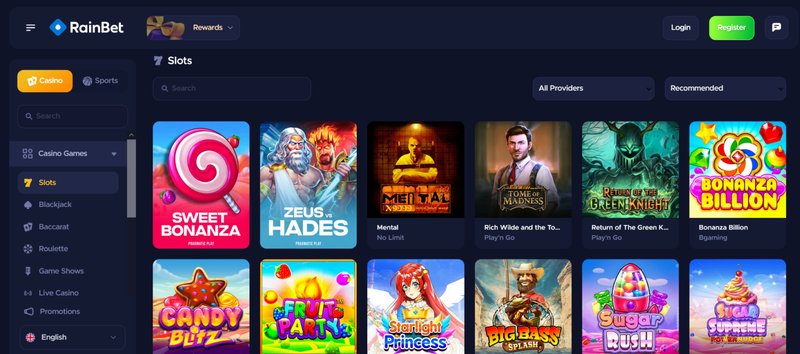
Esports betting sits at the crossroads of gaming, streaming, and casual gambling. For those who are already fans of online games, it offers a new layer of engagement. Meanwhile, traditional bettors are finding fresh opportunities in the high‑energy world of competitive gaming. As the industry matures, it’s likely that more integrated platforms will emerge, blending live streaming, community interaction, and betting under one roof. If you’re curious about how these trends play out in practice, check out Rainbet for a taste of the evolving market.
4. The Road Ahead: Regulation, Innovation, and Community
Regulators are keeping a close eye on the sector. In 2024, the Gambling Commission introduced a new “esports betting licence” that requires operators to demonstrate responsible gambling measures and to provide transparent odds. Compliance costs are estimated at £150 k per year, a figure that smaller operators may find prohibitive.
Innovation continues to drive the scene. Virtual reality betting lounges are already being tested in London, allowing users to watch matches in a 3D environment while placing bets from a virtual desk. These experiments hint at a future where betting is not just an activity but an immersive experience.
Community engagement remains a cornerstone. Many betting sites now partner with esports teams to offer exclusive in‑game rewards for placing bets, a tactic that has increased customer loyalty by 12 % over the past year.
Conclusion: A Market in Motion
Esports betting in Britain is no longer a fringe activity. Its rapid growth, demographic reach, and technological sophistication are reshaping the betting landscape. For bettors, the opportunity to diversify is clear; for operators, the challenge is to balance innovation with responsibility. As the industry moves forward, those who stay informed and adaptable will be the ones to thrive.