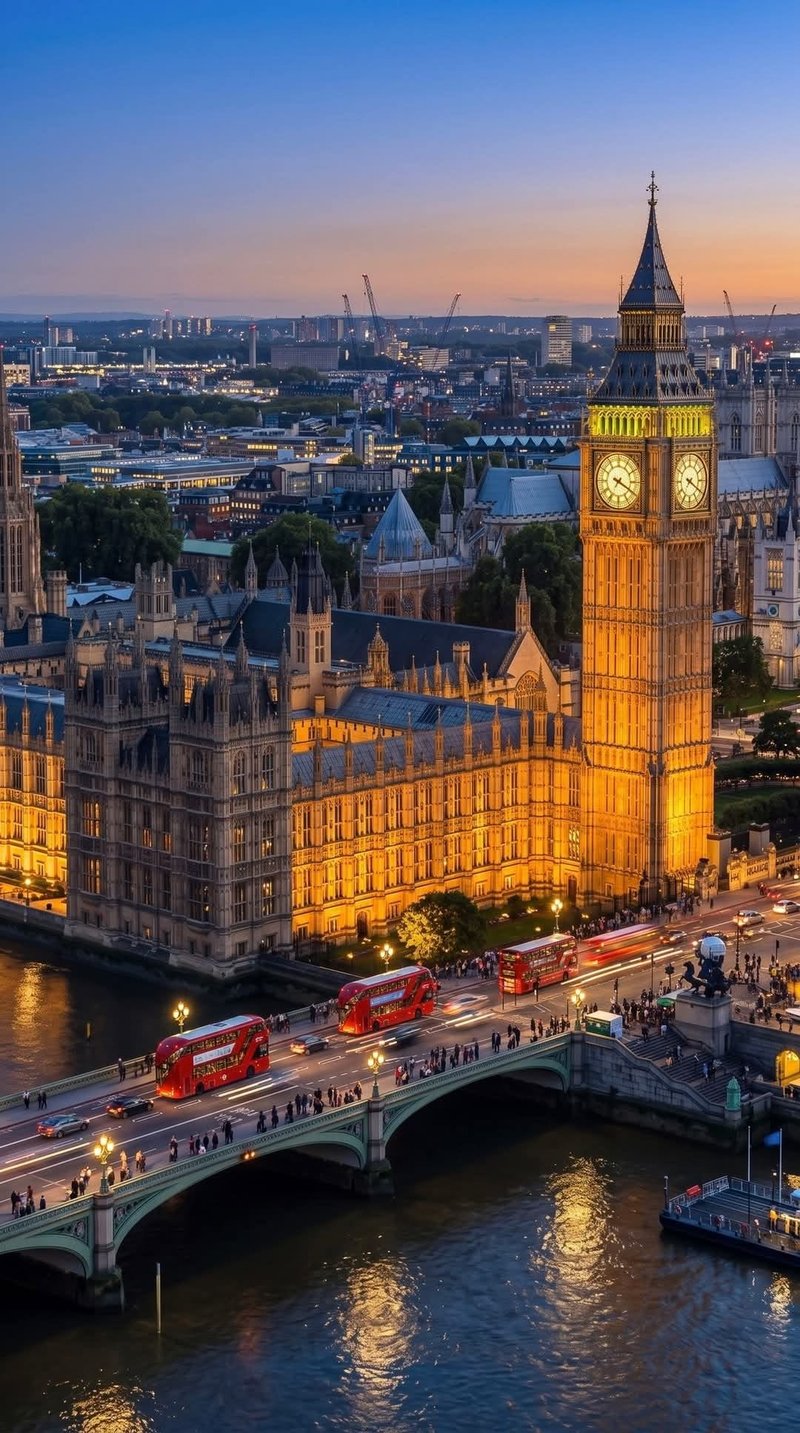
Is a weekend trip really worth the hassle?
Most people think a two‑day escape means packing a suitcase, hunting for a cheap flight, and scrambling to book a hotel. In practice, the real cost is time. If you can squeeze a day off work, you’ll save a few hundred pounds and avoid the last‑minute scramble. The trick is to pick a destination within a two‑hour drive or a short train ride, so you spend less time traveling and more time enjoying.
Choosing the right destination on a tight schedule
Start by listing places that interest you: a historic town, a seaside resort, or a countryside village. Then check the travel times from your home city. For example, from Manchester you can reach the Lake District in 1.5 hours by car, while a trip to Bath takes 3 hours by train. If you’re in London, consider the Cotswolds or Brighton; both are under two hours by train. Remember that peak travel times on weekends can add 30 minutes or more, so plan your departure accordingly.
Booking accommodation that fits your budget and needs
Once you’ve nailed a location, look for accommodation that offers free cancellation and a flexible check‑in time. Many B&Bs and small hotels in rural areas provide a 24‑hour check‑in, which is handy if you arrive late. If you’re on a shoestring budget, consider hostels or Airbnb rentals that include a kitchen; a homemade meal can save you £15 a night. Check reviews for cleanliness and noise levels—especially if you’re staying in a busy town centre.
Planning activities without overloading your itinerary
Pick one or two main attractions and allow time for spontaneous exploration. In Edinburgh, a walking tour of the Royal Mile takes two hours, but you can wander into the Old Town’s hidden courtyards for free. In coastal towns like Whitby, a stroll along the pier and a visit to the abbey are both under an hour. Reserve a slot for a local market or a pub dinner; these experiences often require a reservation, especially on weekends.
Managing transport and parking on the day
If you’re driving, book a parking space in advance for busy tourist spots; many towns charge £10–£15 per day. For trains, buy a return ticket the night before to lock in the lower price. Keep an eye on local traffic alerts; a detour can add 20 minutes to your journey. Pack a small snack and water to avoid stopping at overpriced cafés.
Mid‑trip entertainment: a quick detour to online gaming
While you’re planning your itinerary, you might want a quick break from the usual travel apps. If you’re a fan of online gaming, you can log in to a site like donbet casino login to test a few slots or play a casual game before you head to your next destination.
Wrapping up the weekend and heading home
On Sunday night, aim to leave the town by 6 pm to avoid rush hour. Pack your belongings the night before, so you’re not scrambling at the last minute. If you’re returning by train, check the schedule for the first off‑peak service; it’s usually cheaper and less crowded. Finally, give yourself a buffer of at least 30 minutes between your arrival time and the start of your next activity—travel delays happen, and you’ll feel less stressed if you’re not racing against the clock.
Final thoughts
A UK weekend getaway can be both affordable and refreshing if you keep the travel time short, book flexible accommodation, and limit the number of planned activities. By following these concrete steps, you’ll spend more time exploring and less time worrying about logistics.
Frequently Asked Questions
Is a weekend trip worth the effort?
Yes, if you pick a nearby spot and plan ahead, a weekend break can recharge you without breaking the bank.
How do I choose a destination that fits a tight schedule?
Select places within a two‑hour drive or a short train ride, and avoid cities that require long travel times or heavy traffic.
What should I pack to keep the trip simple?
Stick to essentials: a small daypack, a reusable water bottle, and versatile clothing that can be layered.